
The extensive reef systems of St. John’s
Remote diving far from the busiest Egyptian resorts
Excellent wide-angle photography conditions
Egypt’s Deep South combines remote islands, spectacular reef systems, dramatic walls, and exceptional marine life on an adventurous journey through the southern Red Sea.
Remote diving far from the busiest Egyptian resorts
Excellent wide-angle photography conditions
Dramatic walls around Rocky Island
Coral gardens and sheltered sites near Zabargad
Healthy hard and soft coral formations
Large schools of reef fish and pelagic species
reef sharks, oceanic whitetips, turtles, rays, tuna, and barracuda
A varied combination of relaxed reef diving and challenging offshore sites
The Deep South is one of Egypt’s most rewarding liveaboard regions, bringing together the reefs of St. John’s, Zabargad Island, Rocky Island, and, on many routes, Elphinstone. Far from the busier northern dive areas, these itineraries offer a sense of exploration alongside remarkably varied underwater scenery.
St. John’s is not a single reef but an extensive collection of dive sites near Egypt’s southern border. Divers can explore coral gardens, steep walls, isolated pinnacles, and shallow reef systems shaped by passages and swim-throughs. Sites range from calm and scenic to exposed reefs where currents attract larger marine life.
Rocky Island rises from deep open water and is surrounded by walls covered with soft corals, fans, and overhangs. Its exposed position creates opportunities for encounters with tuna, barracuda, reef sharks, and other pelagic species.
Nearby Zabargad offers a contrasting environment. Coral-covered slopes, sheltered bays, and surrounding reefs provide more relaxed diving, with healthy coral formations and abundant reef life. Its position close to Rocky Island allows liveaboards to combine scenic reef dives with more adventurous offshore sites.
Elphinstone is frequently included at the beginning or end of a Deep South itinerary. Its long, narrow reef features steep walls and current-swept plateaus extending into deep blue water. The site is known for strong coral growth and the possibility of encountering oceanic whitetip sharks and other pelagic visitors.
Together, these regions create a diverse itinerary of walls, coral gardens, swim-throughs, drift dives, and blue-water encounters. Conditions can vary significantly, so flexibility is an essential part of every Deep South journey.
Intermediate and experienced divers Divers looking for remote, expedition-style itineraries Shark and pelagic enthusiasts Reef and coral lovers Wide-angle underwater photographers Divers comfortable with walls, currents, and open-water ascents Guests who enjoy varied diving rather than focusing on a single type of site
Some sheltered sites may be suitable for less experienced divers, but the complete itinerary can include strong currents, negative entries, deep walls, and exposed surface conditions. Operators may therefore apply minimum experience requirements.
Deep South itineraries operate during much of the year, but seasonal conditions influence wind, water temperature, and marine encounters.
March to June offers pleasant weather, warming water, and active marine life. This is an excellent period for combining comfortable reef diving with offshore sites.
September to November is another particularly attractive season, with warm water, good visibility, and strong potential for pelagic encounters.
Summer offers the highest water temperatures but can be extremely hot above the surface. Winter diving remains possible, although cooler air temperatures, stronger winds, and rougher crossings may influence the route.
Shark and pelagic sightings depend on natural conditions and can never be guaranteed. Captains and dive teams may change the order of sites according to wind, waves, currents, and diver experience.
Deep South liveaboards generally depart from Port Ghalib or Hamata.
The most convenient airport is Marsa Alam International Airport. Port Ghalib is located close to the airport, while departures from Hamata require a longer road transfer south. Some operators can also arrange transfers from Hurghada, although the journey is considerably longer.
Routes from Port Ghalib may include Elphinstone before continuing south toward Zabargad, Rocky Island, and St. John’s. Hamata departures provide more direct access to the southern reef systems.
These itineraries involve substantial travel through open water. The published route should therefore be understood as a planned itinerary rather than a fixed schedule, with the final selection of sites determined by weather, sea conditions, and local regulations.
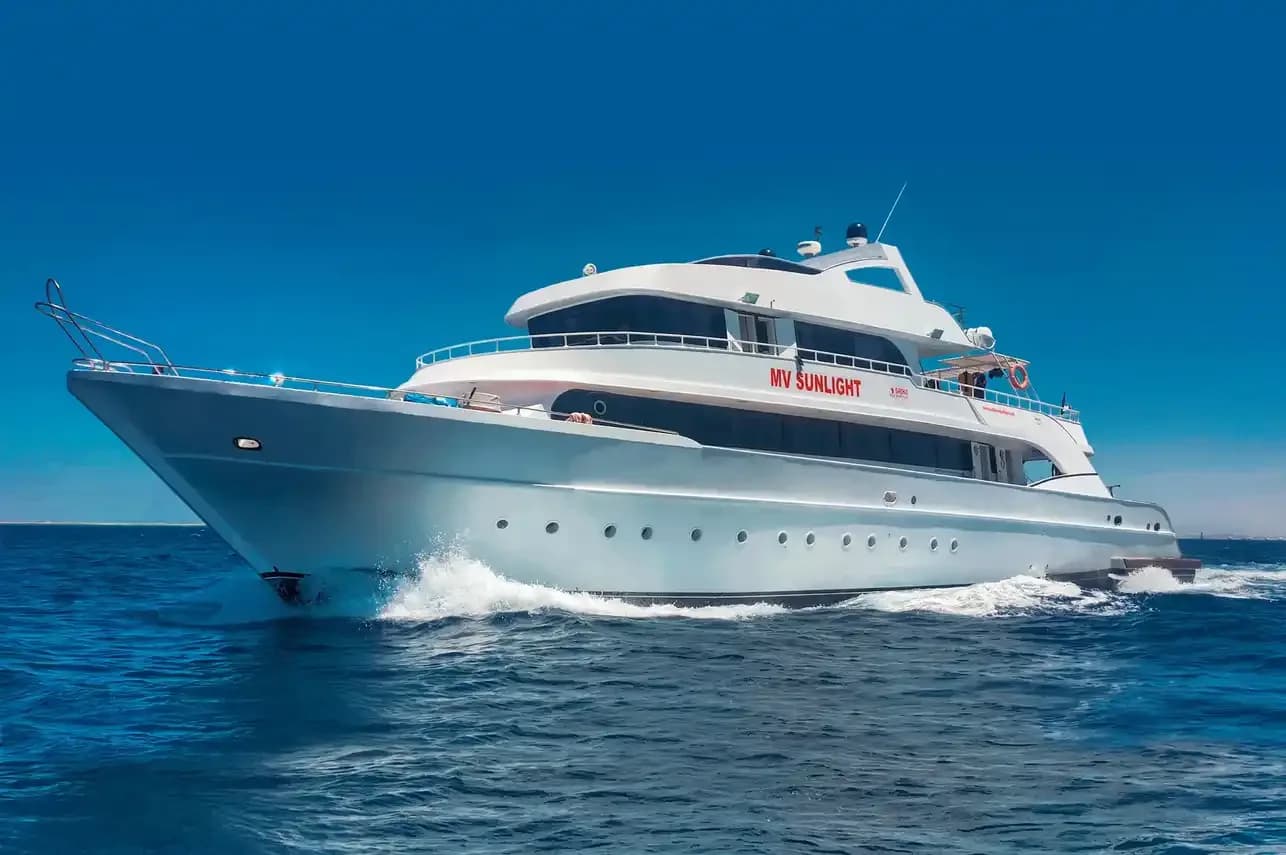
Three Routes, One Remarkable Red Sea Adventure Completely renovated in 2019, M/Y Sunlight is a 34-metre liveaboard offering year-round access to the wrecks, reefs and remote dive sites of the Red Sea. Accommodating up to 20 guests in ten practical and comfortable cabins, she is an...
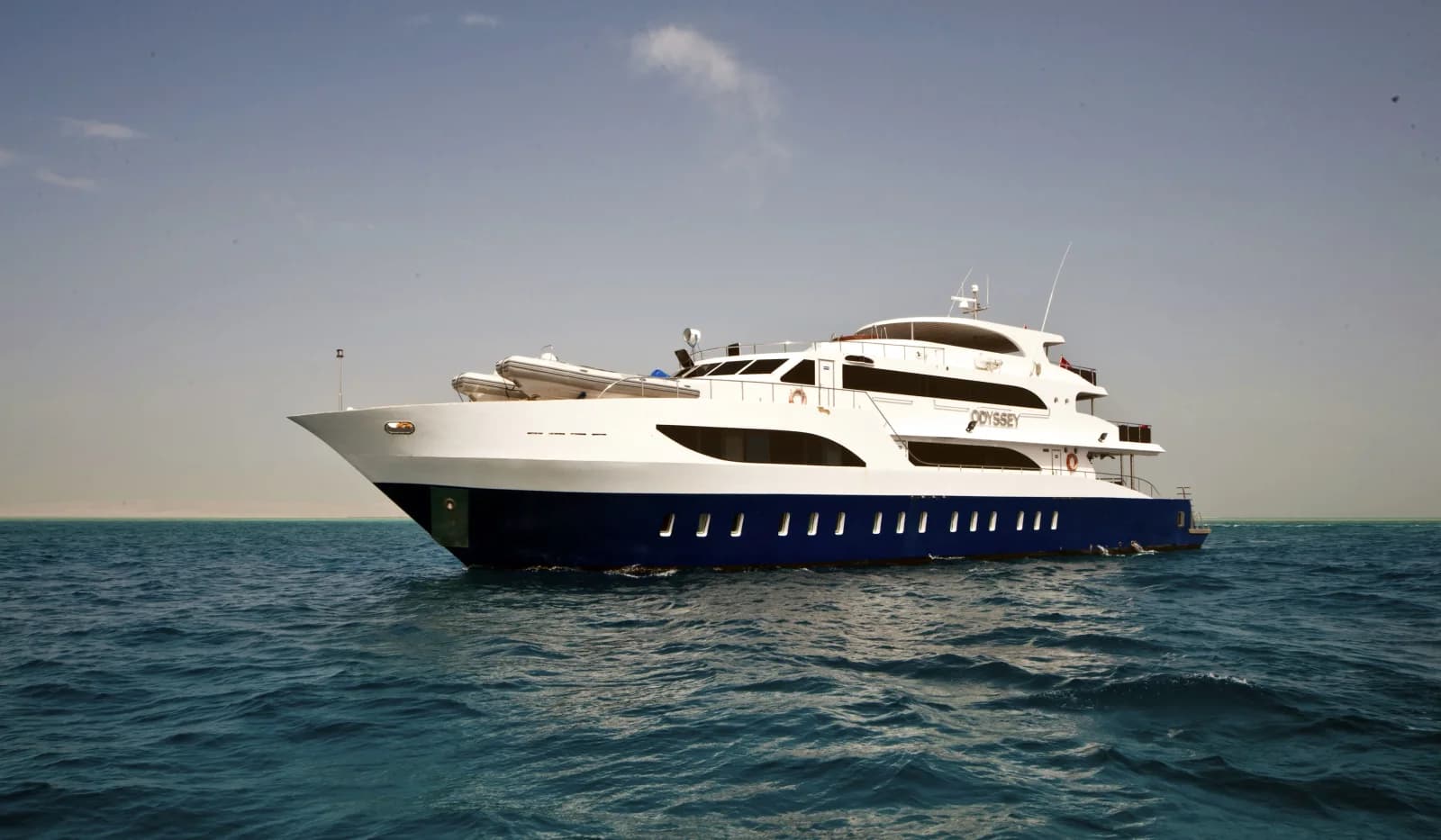
M/Y Odyssey is a spacious 40-meter liveaboard designed for comfortable and well-organized diving in the Red Sea. Combining European styling with generous indoor and outdoor areas, the vessel provides a relaxed base for exploring Egypt’s reefs, wrecks, and offshore dive sites. Up to 26...
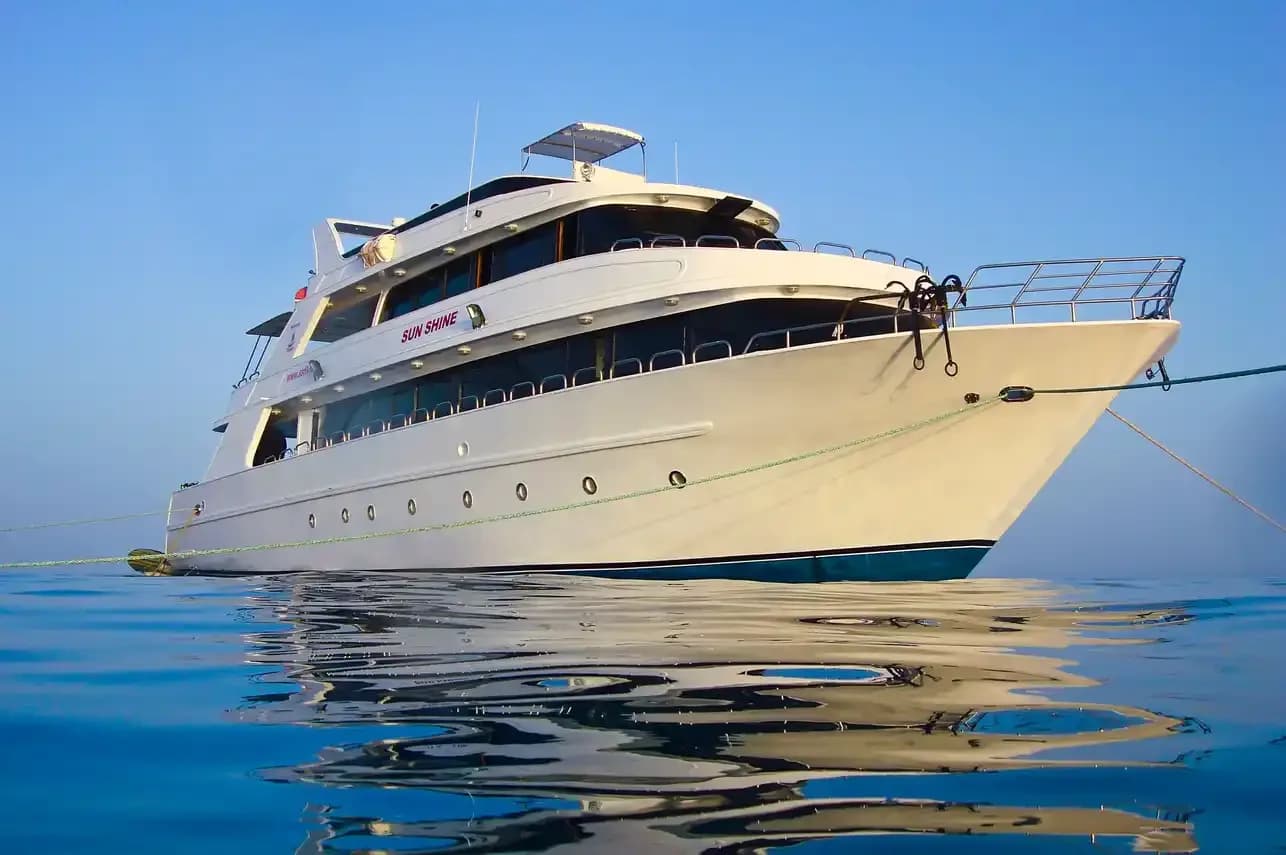
Affordable Red Sea Adventures for Divers M/Y Sunshine offers budget-friendly liveaboard safaris without losing sight of the comforts that matter after a full day of diving. Accommodating up to 20 guests, the vessel provides a relaxed and sociable base for exploring some of the northern...
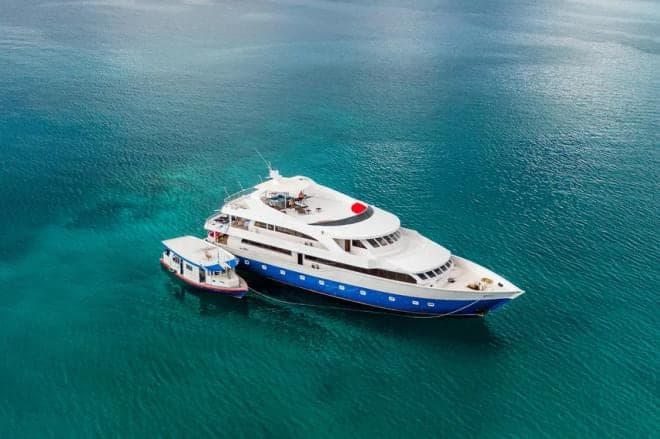
Exceptional Space and Stability in the Maldives SEAROSE II is a 43-metre luxury liveaboard offering generous space, refined comfort and reassuring stability for journeys through the Maldivian atolls. With an impressive beam of 11 meters and a distinctive hull design, the vessel is built...
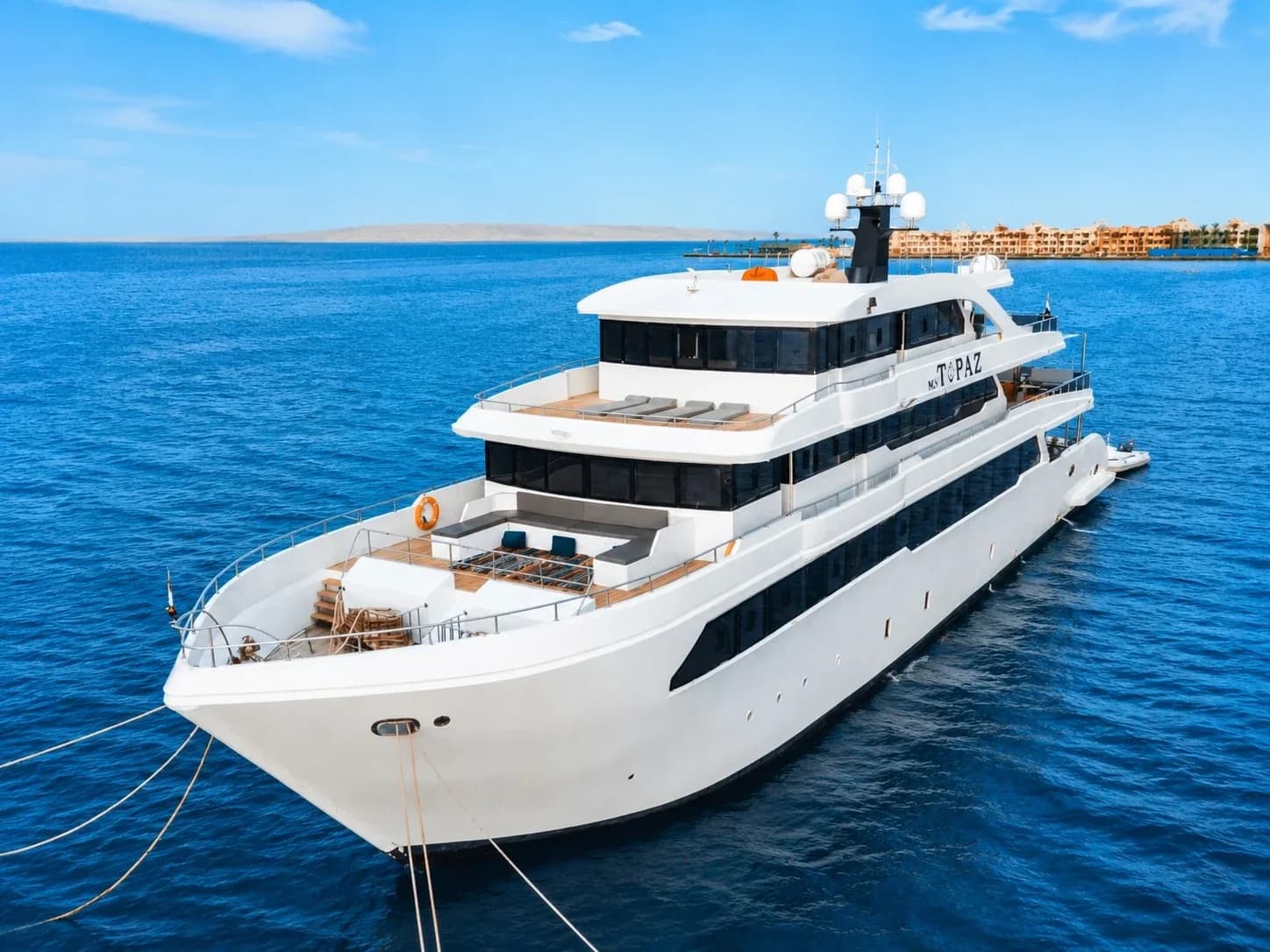
Topaz is a modern 41-metre liveaboard offering generous space and comfortable diving throughout the Red Sea. Meticulously maintained and designed with both relaxation and functionality in mind, the vessel welcomes up to 32 guests in 16 ensuite, individually air-conditioned cabins....