Marine Life:
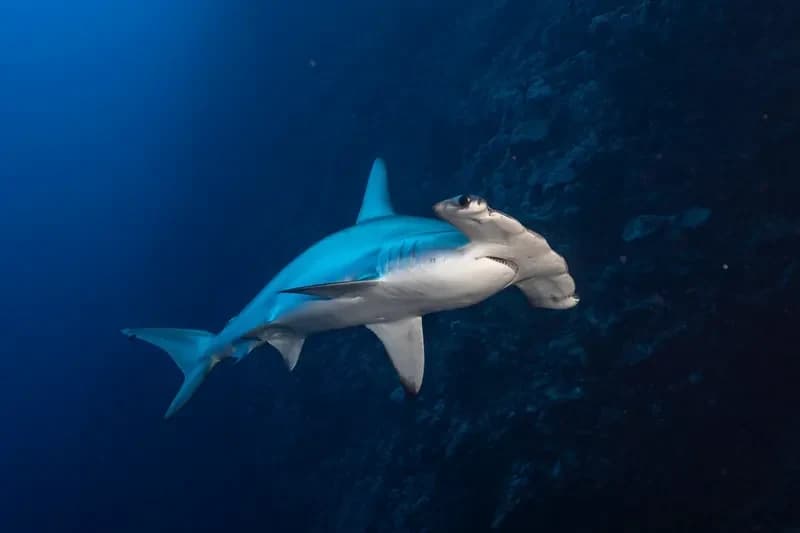
High chances to see
- oceanic whitetips,
- hammerheads,
- grey reef sharks,
- turtles,
- Napoleon wrasse.
The Red Sea offers some of the world's best diving, characterized by exceptional visibility, warm water, vibrant coral reefs, and a high density of shipwrecks. Diving is generally split between the diverse, wreck-heavy northern sites and the pristine, shark-frequented southern deep sites.
High chances to see
Renowned for vibrant soft corals and massive biodiversity, particularly in the south and at Ras Muhammad.
SS Thistlegorm (motorcycles, trucks),
Numidia, and Aida (Brothers Islands).
Deep wall dives
shark cleaning stations
stunning night dives
Liveaboard diving in Egypt offersvworld-class access to the Red Sea's renowned wrecks, vibrant coral walls, and pelagic action, typically featuring 3–5 dives daily. Running 6–10 nights, popular routes cover legendary spots like the Brothers Islands, Daedalus Reef, Elphinstone, and the SS Thistlegorm. It is a cost-effective, high-biodiversity destination, perfect for sharks, pelagics, and drift diving, with year-round availability.
Diving Areas
Advanced divers, underwater photographers, liveaboard guests
March to May (spring) and September to November (autumn) offer optimal water temperatures and pelagic sightings.
Flying into Hurghada (HRG), Sharm El Sheikh (SSH), or Marsa Alam (RMF) airports. Most operators offer transfers from these airports to ports like Port Ghalib or Hurghada for departures, with flights often connecting via Cairo. Visa on arrival (25 USD ) is available,
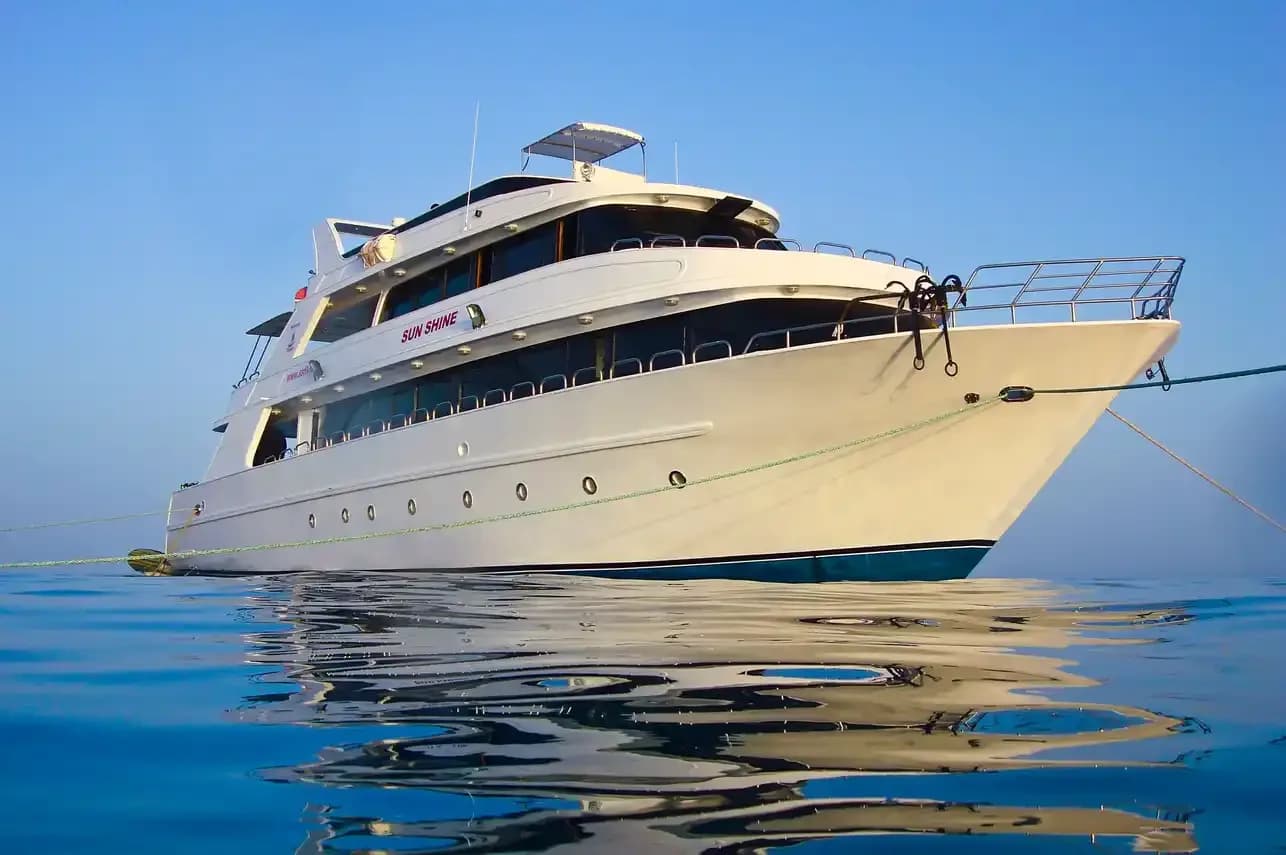
Affordable Red Sea Adventures for Divers M/Y Sunshine offers budget-friendly liveaboard safaris without losing sight of the comforts that matter after a full day of diving. Accommodating up to 20 guests, the vessel provides a relaxed and sociable base for exploring some of the northern...
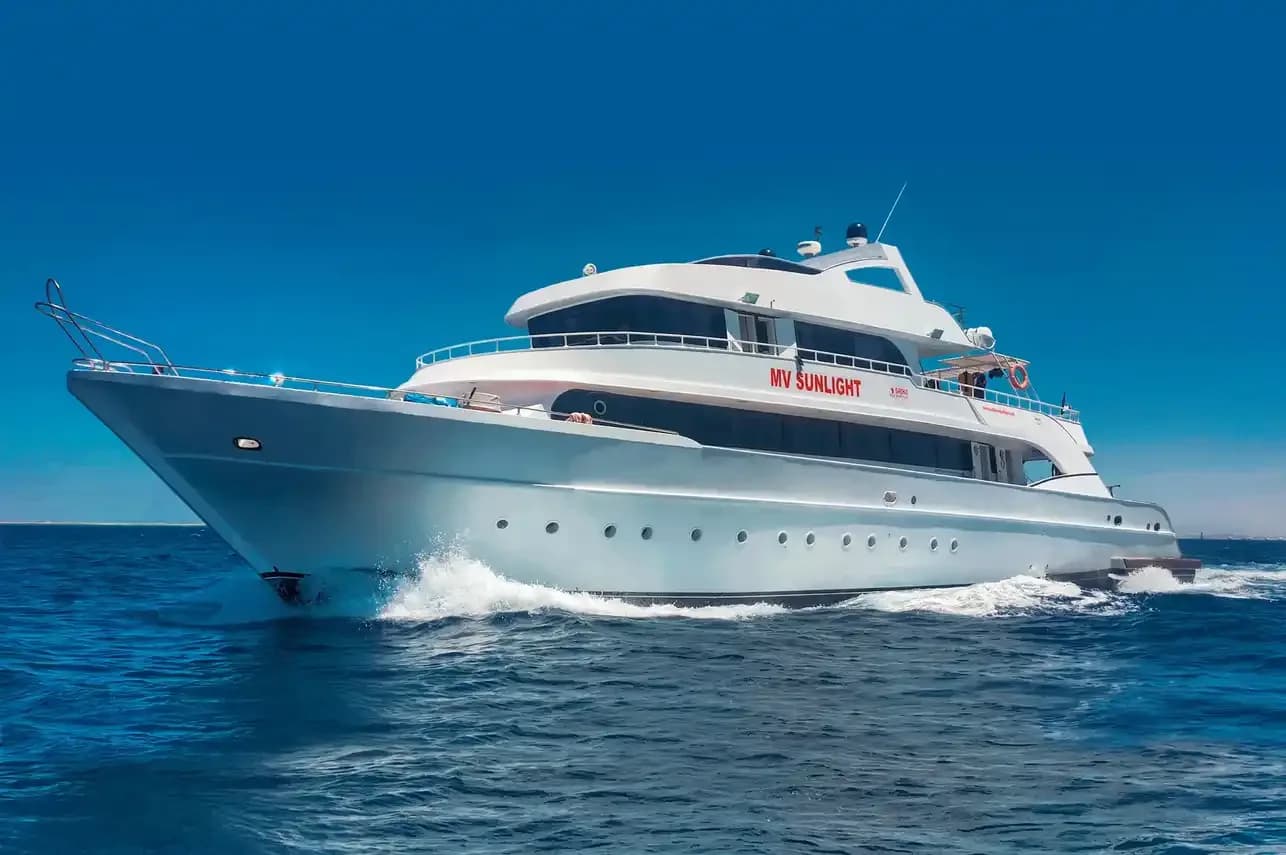
Three Routes, One Remarkable Red Sea Adventure Completely renovated in 2019, M/Y Sunlight is a 34-metre liveaboard offering year-round access to the wrecks, reefs and remote dive sites of the Red Sea. Accommodating up to 20 guests in ten practical and comfortable cabins, she is an...
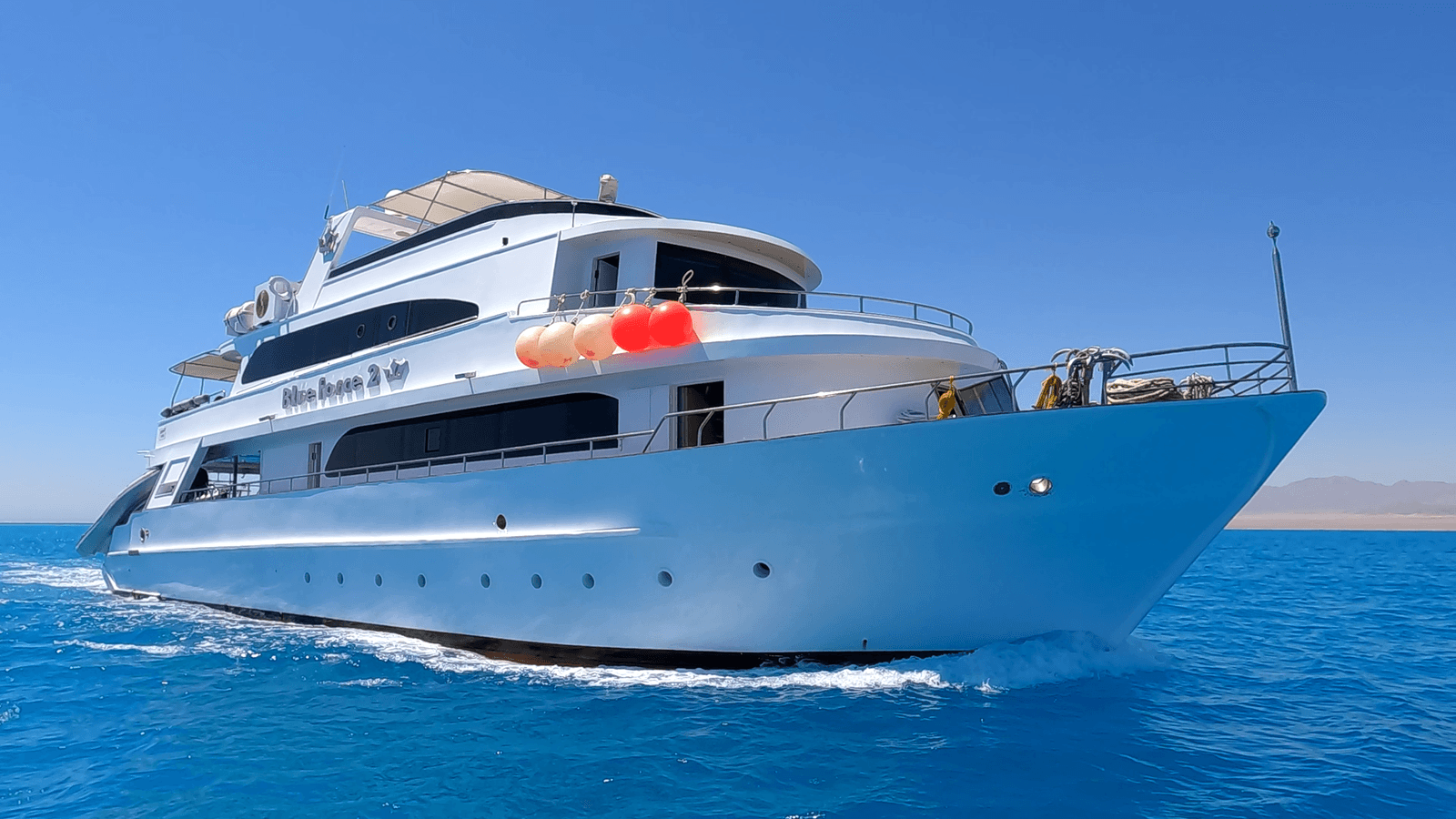
Comfortable Diving Across the Egyptian Red Sea Red Sea Blue Force 2 is a welcoming, diver-focused liveaboard offering access to the wrecks, reefs and remote offshore sites of the Egyptian Red Sea. Accommodating up to 18 guests in nine cabins, the vessel combines practical diving...
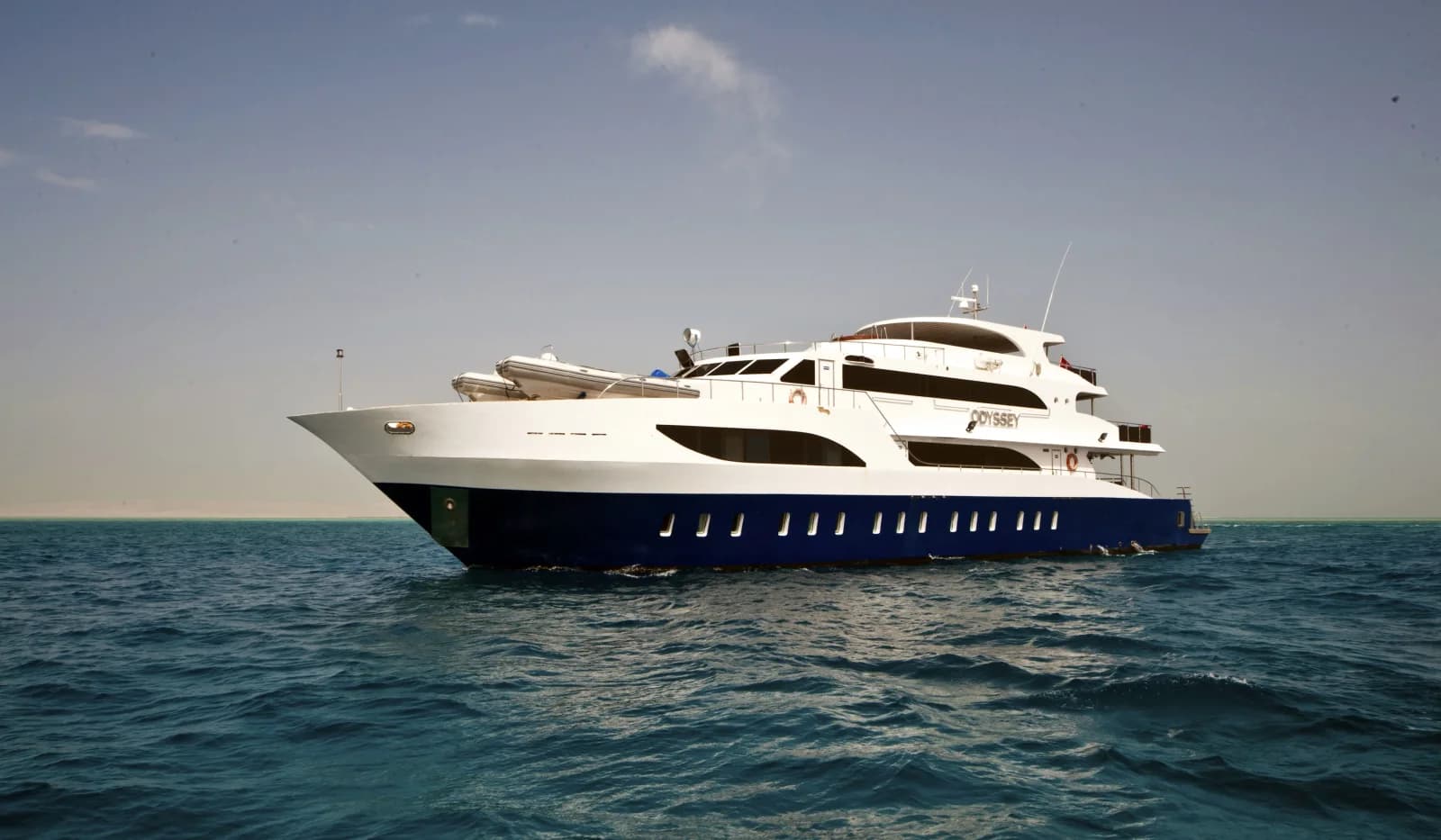
M/Y Odyssey is a spacious 40-meter liveaboard designed for comfortable and well-organized diving in the Red Sea. Combining European styling with generous indoor and outdoor areas, the vessel provides a relaxed base for exploring Egypt’s reefs, wrecks, and offshore dive sites. Up to 26...
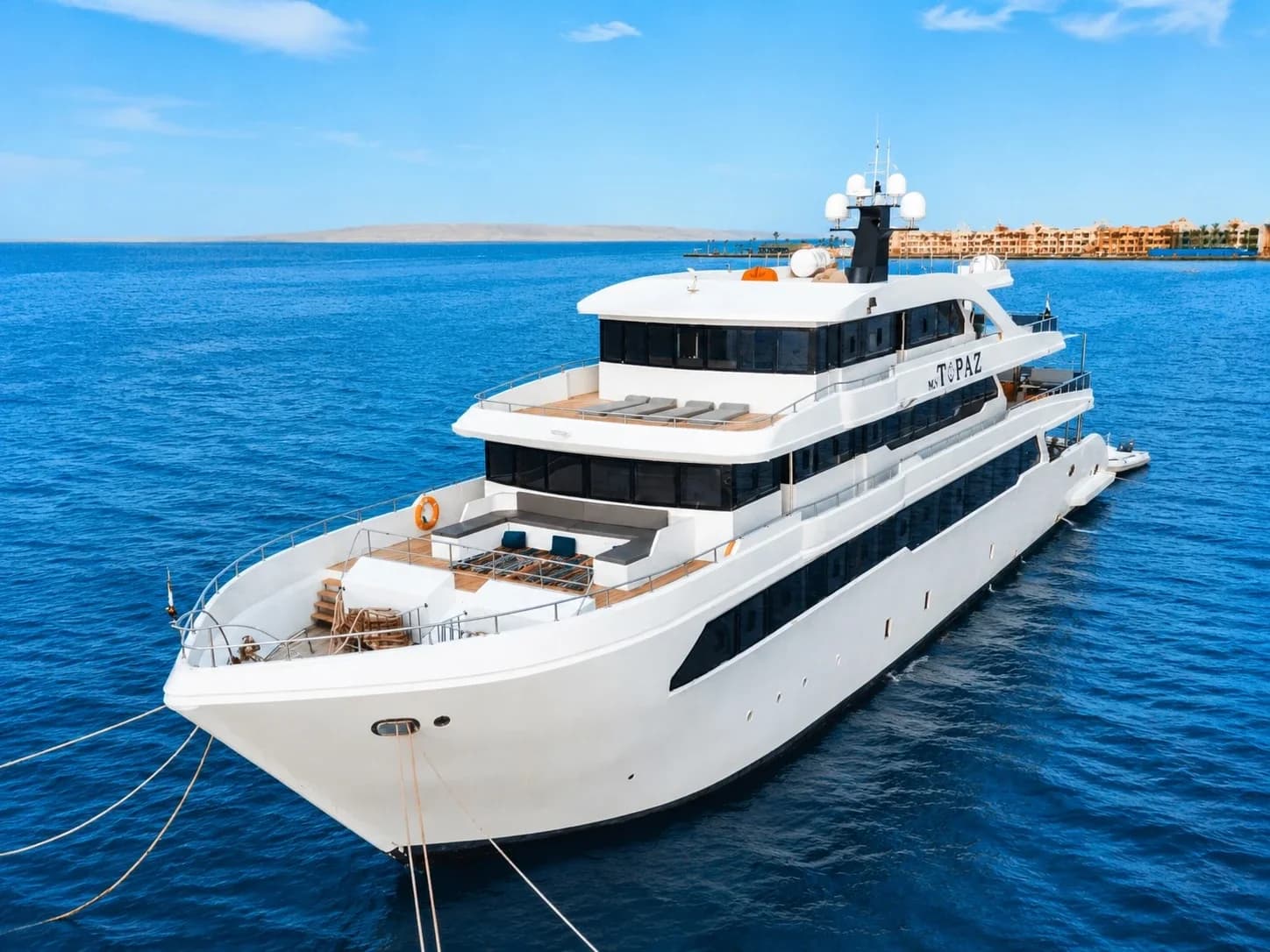
Topaz is a modern 41-metre liveaboard offering generous space and comfortable diving throughout the Red Sea. Meticulously maintained and designed with both relaxation and functionality in mind, the vessel welcomes up to 32 guests in 16 ensuite, individually air-conditioned cabins....
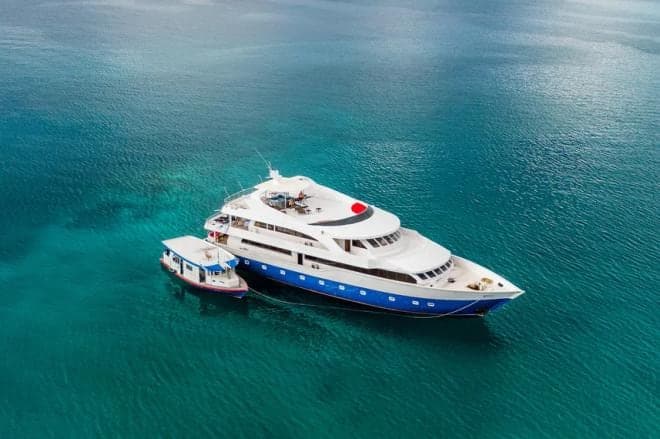
Exceptional Space and Stability in the Maldives SEAROSE II is a 43-metre luxury liveaboard offering generous space, refined comfort and reassuring stability for journeys through the Maldivian atolls. With an impressive beam of 11 meters and a distinctive hull design, the vessel is built...